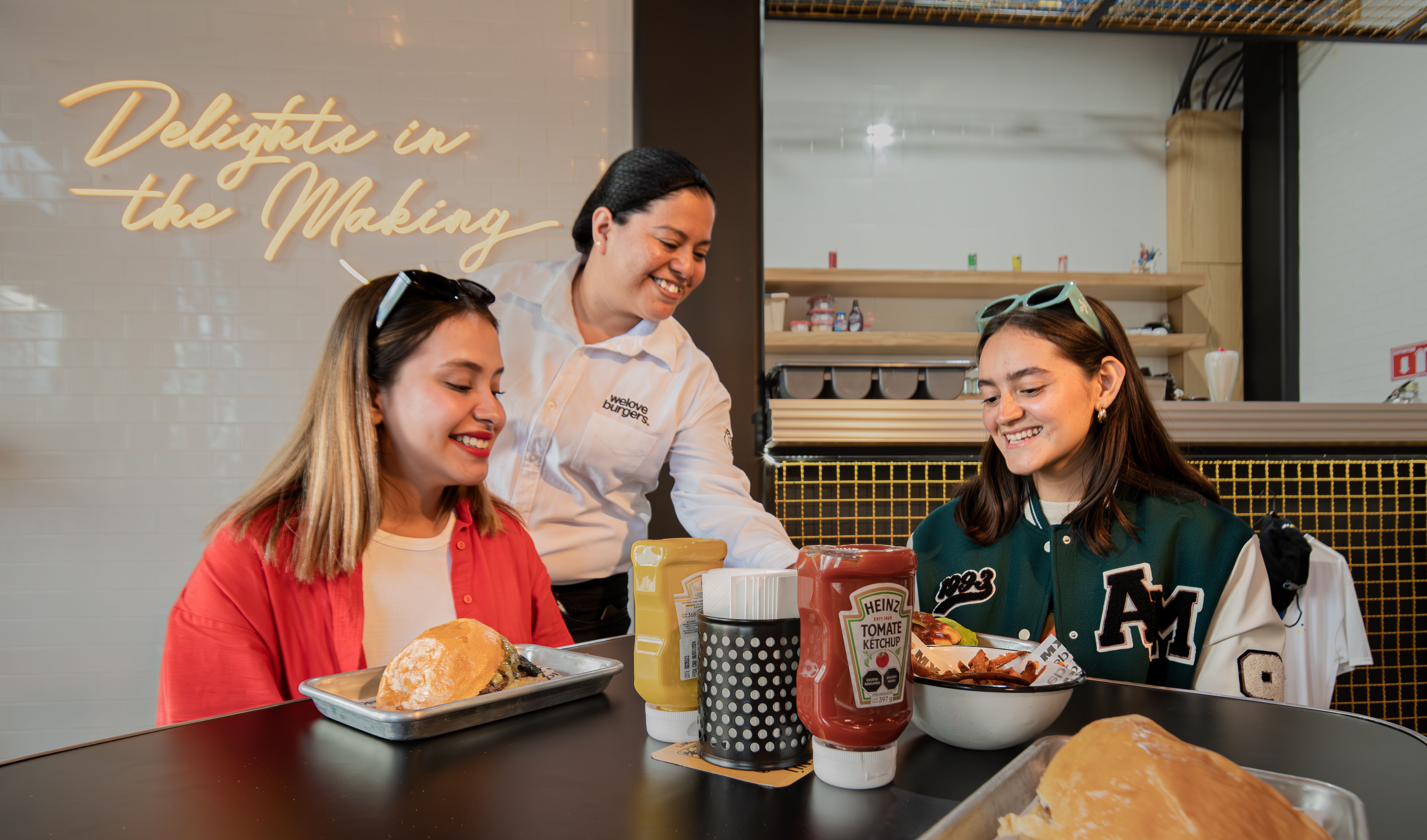
Getting more customers is one way to grow restaurant revenue. Getting each customer to spend a little more is another.
Your average ticket is simply the average amount spent per transaction, and it’s a key KPI worth watching regularly. For restaurant owners, it can reveal a key growth opportunity: what if you could add ₱50, ₱100, or even ₱200 to the average order without adding another customer or raising prices?
The answer may be hiding in your menu, your recommendations, and the small decisions guests make while ordering. Here are five practical things to test.
TIP 01
Put Your Most Profitable Items Where People Will Notice Them
Start with the numbers, not the design.
Menu engineering looks at two things: how often an item sells and how much contribution margin it generates. This helps identify the dishes that are both popular and profitable, and the dishes that may deserve more attention.
Try this: identify three high-margin items and give them more prominent placement in your menu. On a digital menu, that might mean featuring them earlier in a category or creating a clearly labeled recommendation section.
Then compare their sales before and after the change.
Don't assume a particular “magic spot” will work. Research on menu placement has produced mixed results, so test the change against your own customers and menu.
TIP 02
Rewrite a Few Menu Descriptions
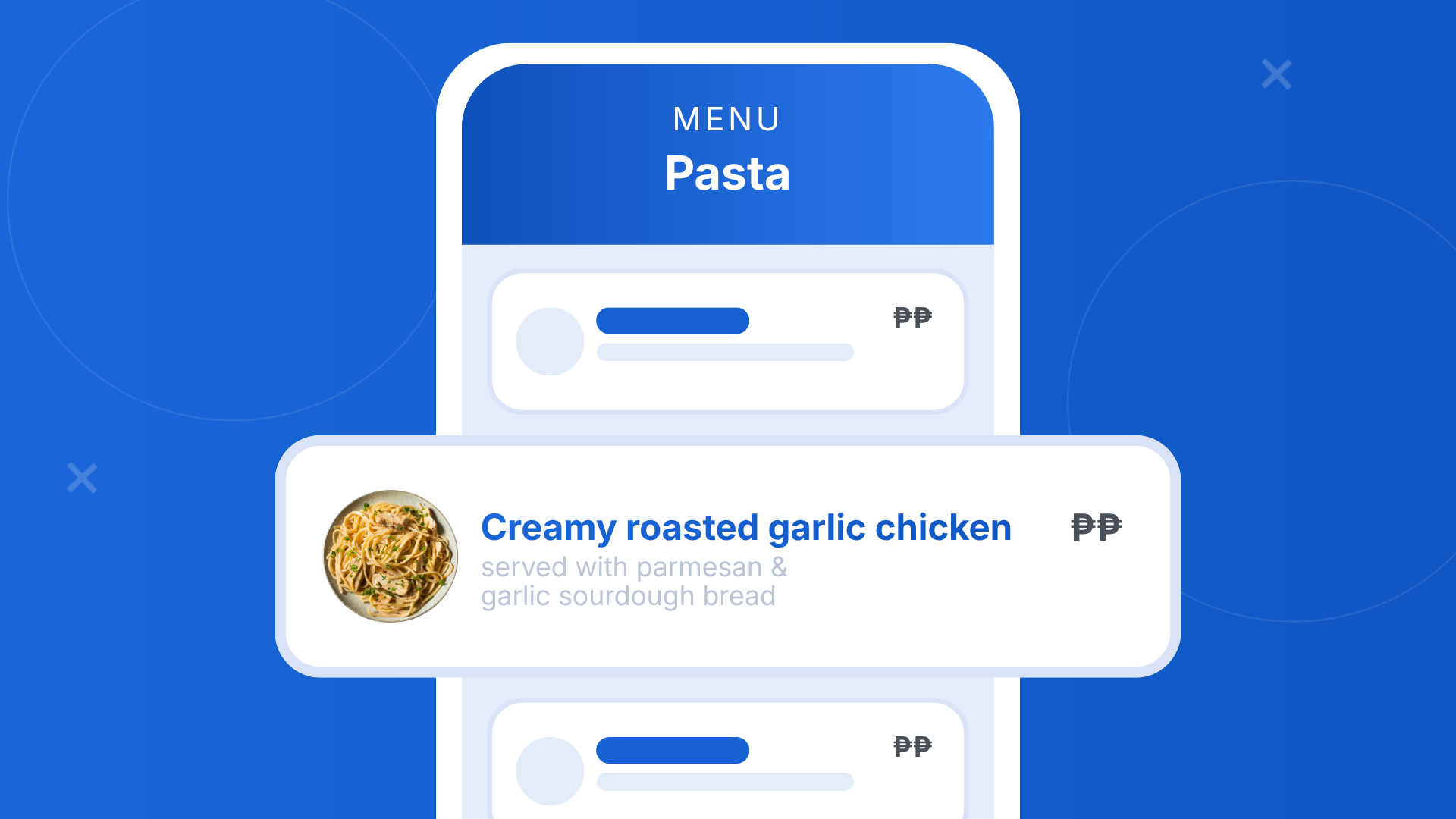
“Chicken pasta” tells customers what something is.
“Creamy roasted-garlic chicken pasta” gives them something to imagine.
In a field experiment published in Cornell Hotel and Restaurant Administration Quarterly, descriptive menu labels increased sales of the labeled items by 27%. The researchers also found improvements in attitudes toward the food and restaurant.
That doesn't mean rewriting every item will automatically increase your sales by 27%. But it does suggest a worthwhile experiment.
Choose five dishes. Make their descriptions more specific, sensory, and distinctive. Track whether orders change.
TIP 03
Stop Asking “Anything Else?” Start Making Specific Suggestions
A vague question leaves the customer with work to do.
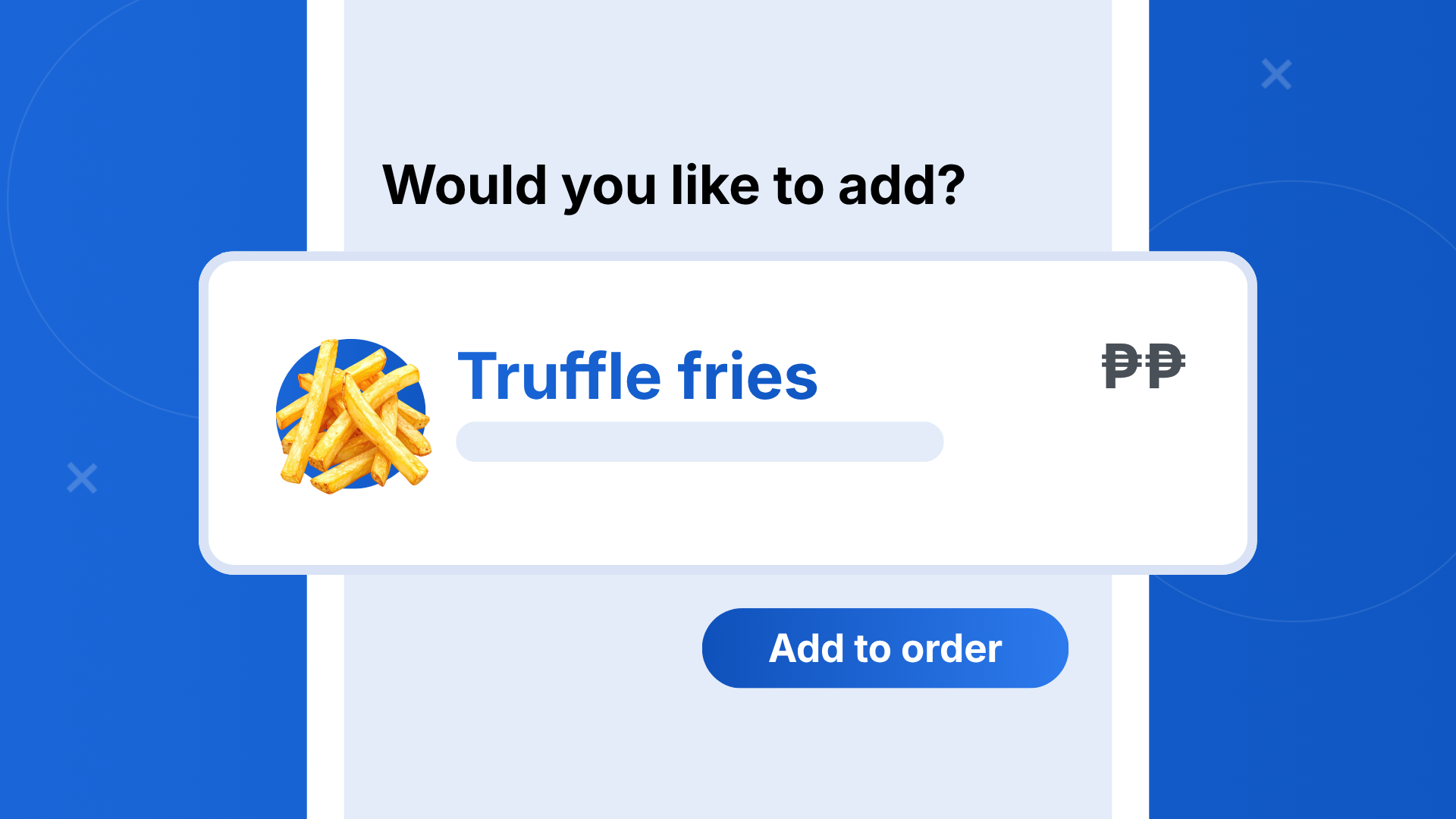
Instead of: “Would you like anything else?”, try: “Would you like to add our truffle fries with that?”
Better still, recommend something that naturally belongs with what they've already ordered. Customers respond well to server suggestions when they are undecided or have no particular preference.
The lesson isn't to push something onto every customer. It's to make a useful recommendation when a natural pairing exists.
TIP 04
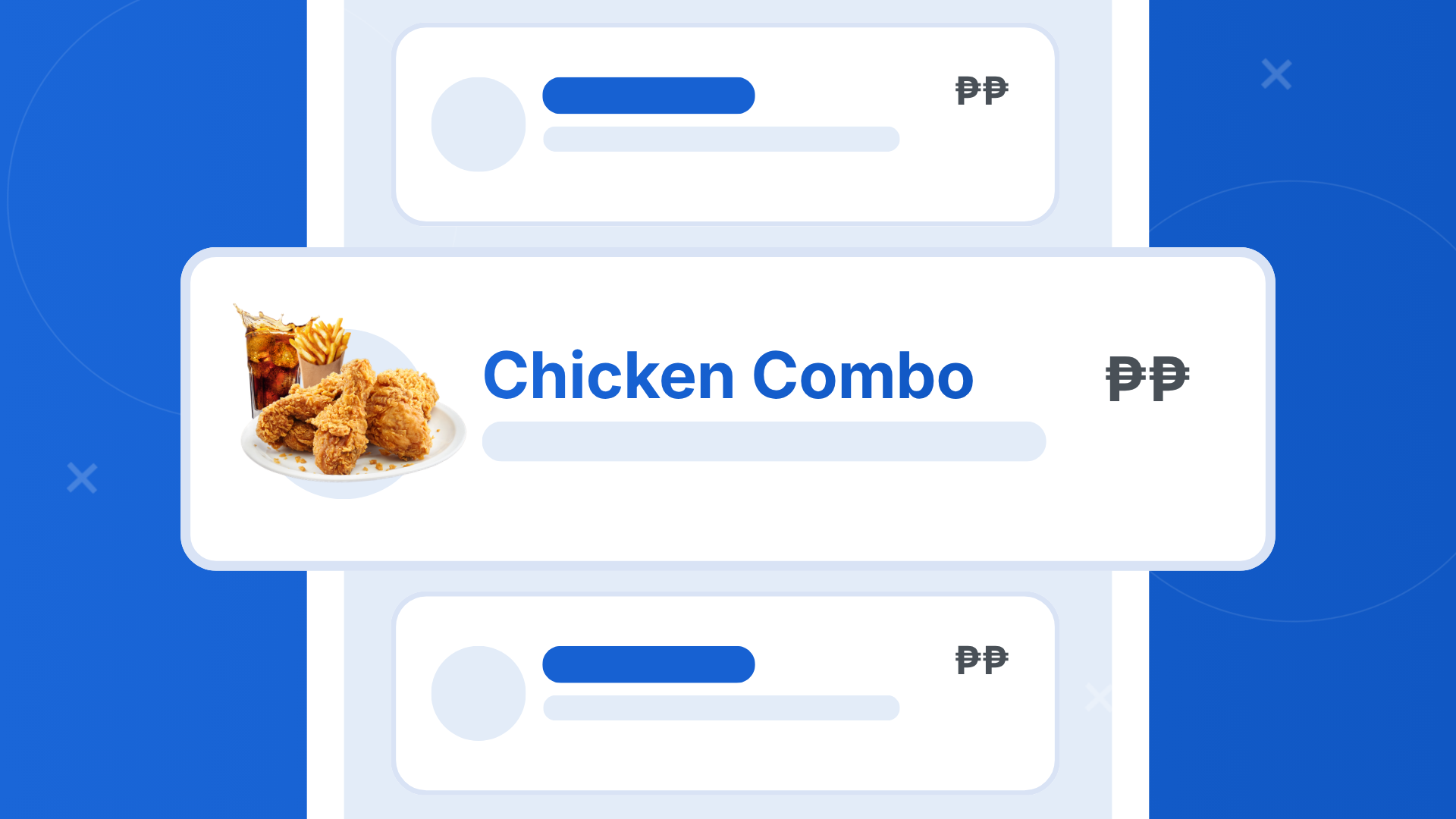
Build Bundles Around What Customers Already Buy
Look at your order data.
If customers frequently order a burger and fries separately, you may have the ingredients of a bundle already sitting in your sales report.
Test a simple combination: Main + Side + Drink
The goal isn't necessarily to discount heavily. It's to make the decision easier and encourage customers to consider the complete order.
Research on restaurant choice architecture suggests that changing how choices are structured can influence what people select.
The important metric isn't simply how many bundles you sell. Compare the bundle's average check and contribution margin against the individual items sold separately.
TIP 05
Make the Next Purchase Easier
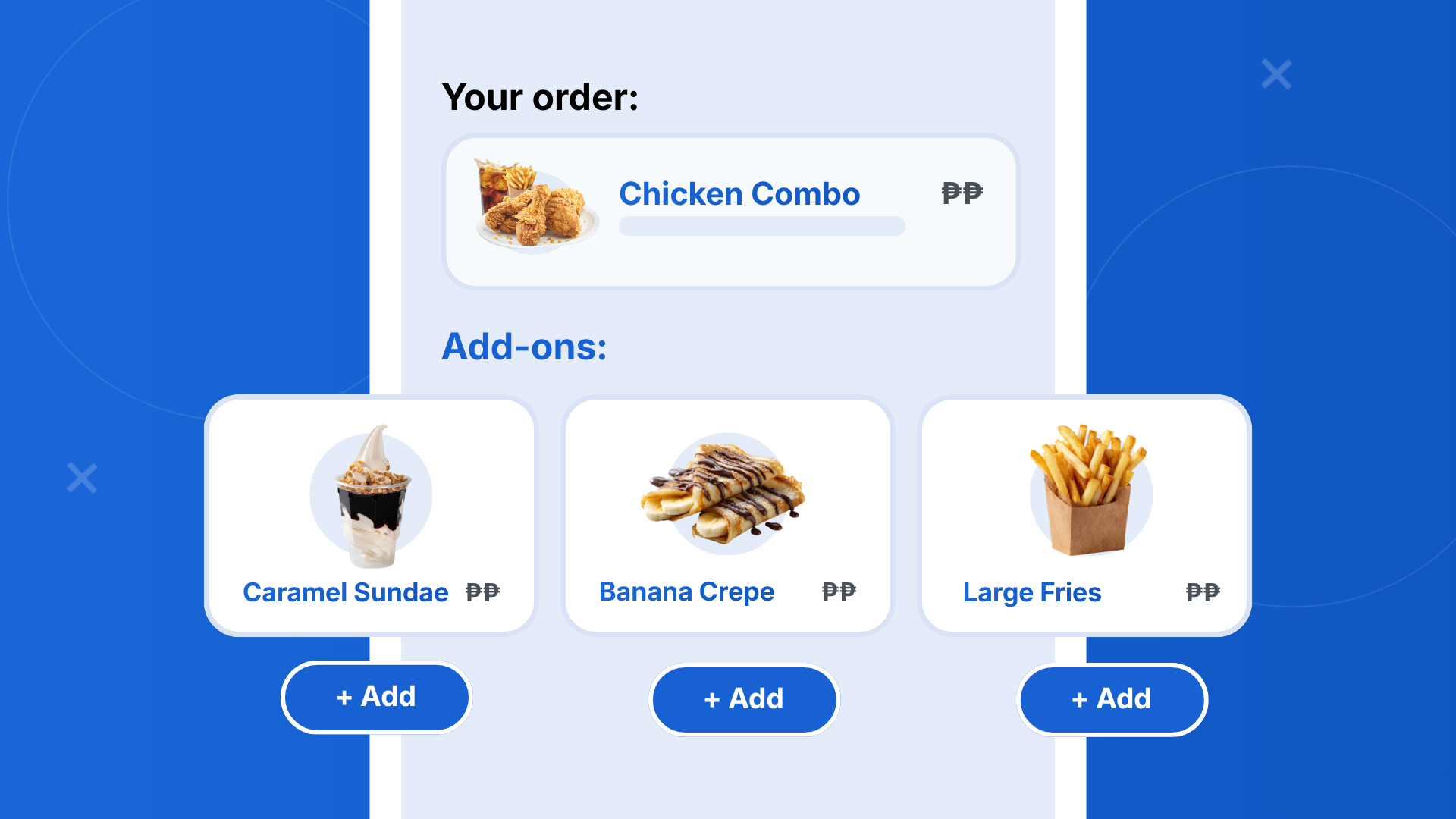
Sometimes increasing the ticket isn't about convincing someone to spend more. It's about making the additional purchase easy to notice and easy to order.
Think drinks with meals. Add-ons with entrées. Desserts after dinner.
If your ordering process allows it, surface relevant add-ons at the moment they're useful rather than making customers search for them.
This is where your ordering data becomes valuable. A study using market-basket analysis found that certain entrée-and-side combinations occurred frequently enough to identify useful pairing patterns, and customers responded favorably to suggestions when they were undecided.
Your own data can tell you what those pairings are.
TAKEAWAY
Don't Chase a Bigger Ticket at Any Cost
A higher average ticket is great, but isn't automatically better. If customers buy more but your margins shrink, you've created revenue, not necessarily better business.
Track average ticket alongside contribution margin, item popularity, and customer response. Test one change at a time, give it enough transactions to mean something, and compare the result with your previous baseline.
The goal is for customers to discover something they already might have wanted. Sometimes, all it takes for them to discover it is a well-timed recommendation.